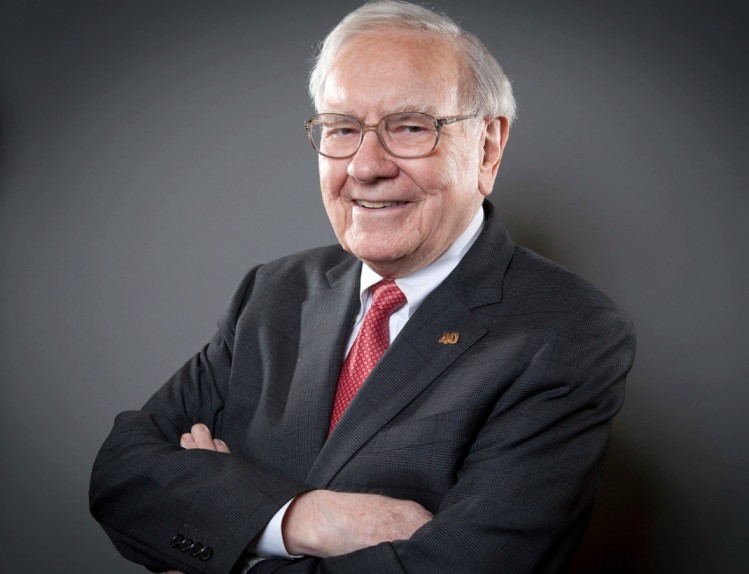
Warren Buffett stands as one of the most respected figures in global finance, not because of flashy predictions or short-term wins, but because of his unwavering belief in patience and discipline. Known as the “Oracle of Omaha,” Buffett built his legacy by doing what many investors find hardest: waiting, observing, and acting only when opportunity truly aligns with value.
Born in 1930 in Omaha, Nebraska, Buffett displayed an early fascination with numbers and business. As a child, he sold chewing gum, newspapers, and Coca-Cola door to door, learning firsthand how profit, margins, and customer behavior worked in the real world. By his teenage years, he was already earning more than most adults, proving that his instinct for business was both natural and cultivated.
Buffett’s investment philosophy was heavily influenced by economist Benjamin Graham, who taught him the concept of value investing—buying strong companies at fair or undervalued prices and holding them for the long term. Unlike speculative traders, Buffett focuses on understanding a company’s fundamentals, leadership quality, competitive advantage, and long-term potential. He avoids businesses he does not fully understand, a principle that has protected him from many market bubbles.
In 1965, Buffett took control of Berkshire Hathaway, then a struggling textile company. Instead of abandoning it, he transformed Berkshire into one of the world’s most powerful conglomerates. Under his leadership, the company acquired and invested in iconic brands such as Coca-Cola, American Express, Apple, and GEICO. These were not random picks, but carefully chosen businesses with durable brands and consistent performance.
What sets Buffett apart is not just his wealth, but his character. Despite being one of the richest individuals in the world, he maintains a modest lifestyle, living in the same Omaha home he purchased decades ago. He is known for his plainspoken wisdom, often emphasizing integrity, rational thinking, and emotional control as the real keys to success.
Buffett also believes deeply in ethical leadership. He has repeatedly stated that reputation takes decades to build and minutes to destroy, a lesson he applies both personally and professionally. His annual letters to Berkshire Hathaway shareholders are widely read for their clarity, honesty, and timeless insights into markets and human behavior.
Beyond business, Buffett is equally recognized for his philanthropy. He has pledged to give away the vast majority of his fortune, primarily through the Giving Pledge, an initiative he co-founded to encourage billionaires to commit their wealth to social causes. His belief is simple: wealth should serve society, not just individuals.
Warren Buffett’s story is not about shortcuts or overnight success. It is a testament to the power of consistency, rational decision-making, and staying true to one’s principles even when markets become noisy and unpredictable. In a world driven by speed, Buffett’s greatest lesson may be that lasting success comes from thinking long term and acting with purpose.


Leave a Reply