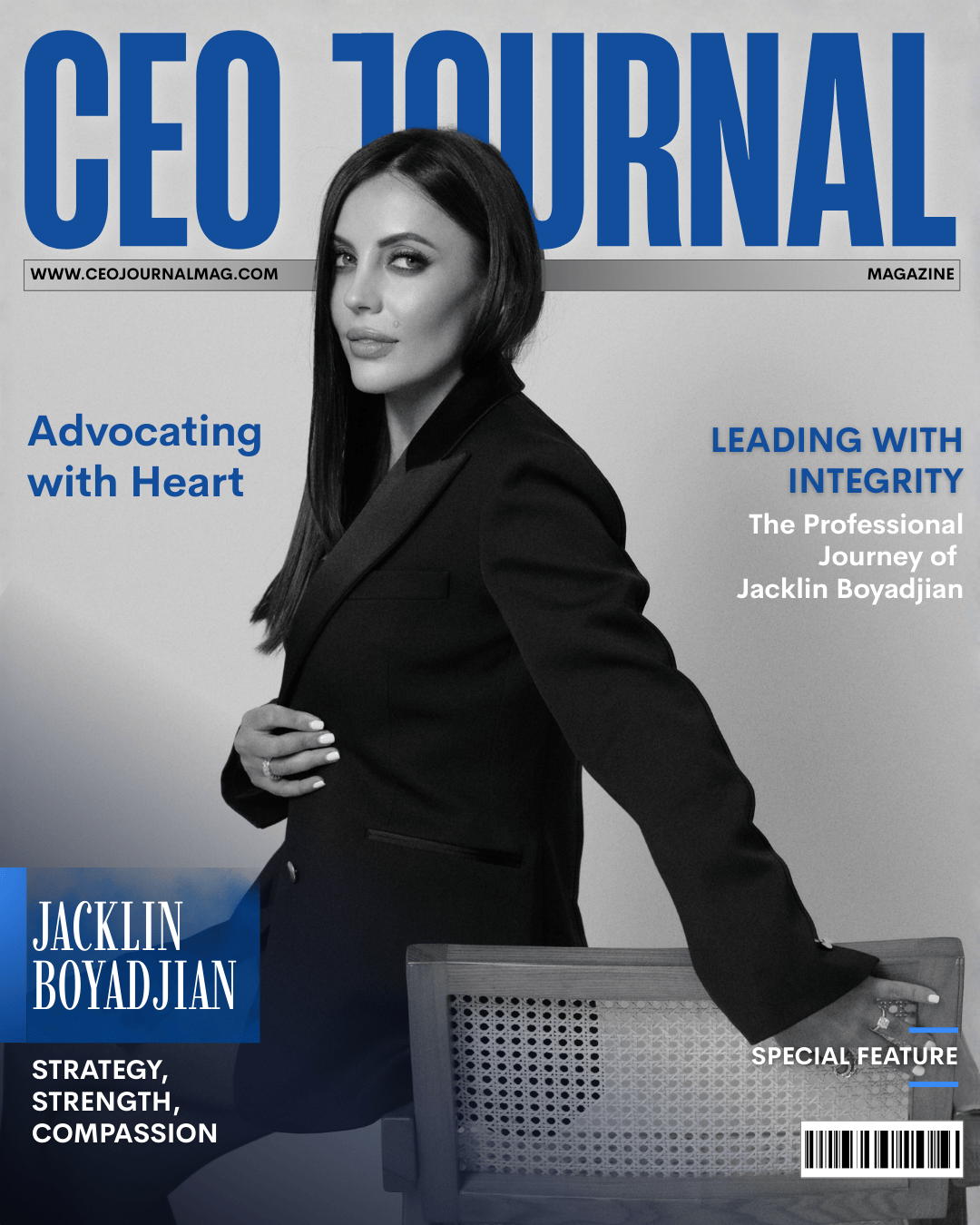
Jacklin Boyadjian has developed her career with a distinct philosophy—one based on empathy, accountability, and intelligent advocacy—in a field that is frequently motivated by urgency, rivalry, and quantifiable results. She has practiced personal injury law for almost 20 years and is well-known for both her legal knowledge and her human-centered approach to each case. Boyadjian considers her career, the principles that govern her work, and her larger goals for leadership and justice in this discussion.
Q: After nearly two decades in personal injury law, what continues to motivate your work?
Jacklin Boyadjian: What continues to motivate me is the human side of the cases. Personal injury law often involves people who are experiencing some of the most difficult moments of their lives—serious car accidents, unexpected injuries, or situations where their sense of stability has been suddenly disrupted. My role isn’t just about addressing liability or negotiating damages. It’s about helping restore a sense of dignity and security during a very uncertain time. That responsibility keeps the work meaningful.
Q: You often speak about empathy as a central part of advocacy. How does that shape your approach to the law?
Boyadjian: Empathy is essential. Over the years, I’ve spent countless hours sitting across from individuals who are overwhelmed, worried, and unsure of what comes next. Those conversations taught me that sometimes people don’t just need legal answers—they need to feel heard, believed, and supported. Empathy doesn’t mean losing objectivity. It means being present and understanding the real human impact behind every case.
Q: Your practice focuses heavily on pre-litigation advocacy. Why is that area so important to you?
Boyadjian: Pre-litigation is where thoughtful strategy can make the biggest difference. When a case is carefully prepared—factually, medically, and legally—it often creates the conditions for resolution before a courtroom becomes necessary. That can spare clients the stress, time, and uncertainty of prolonged litigation. My goal is always to build a case so thoroughly that the strength of the evidence speaks for itself.
Q: How do you evaluate the strategy for each case?
Boyadjian: Every case requires a complete understanding of both the facts and the person involved. Liability, documentation, and medical evidence are fundamental, but there are other factors to consider as well—timing, venue, long-term consequences, and how the injury affects someone’s daily life. Strategy is never one-size-fits-all. It’s about aligning the legal path with what ultimately serves the client best, both legally and personally.
Q: Negotiation is a major component of your work. What makes a negotiation successful?
Boyadjian: Preparation and credibility. When I enter negotiations, I’m clear on the facts, the law, and the real value of the case. Over time, that preparation builds trust within the professional community. A successful settlement isn’t just about reaching a number—it’s about timing, fairness, and ensuring the resolution genuinely addresses the client’s needs. Rushed decisions or undervaluing the long-term impact of an injury often lead to suboptimal outcomes.
Q: What do clients value most when working with you?
Boyadjian: Consistency and trust. Legal processes can feel overwhelming, especially for someone who has never experienced them before. I make a point of communicating clearly and explaining what’s happening at every stage. When clients understand the process and the reasoning behind decisions, they feel more empowered and less anxious.
Q: Is there a common misconception about the legal system that you wish people understood better?
Boyadjian: Many people assume that fairness automatically happens within the legal system. In reality, justice requires persistence and strong advocacy. Outcomes don’t simply fall into place—they happen because someone is pushing the process forward and ensuring that a client’s voice is heard.
Q: Beyond your legal work, you’re also involved in mentorship and philanthropy. Why are those areas important to you?
Boyadjian: Mentorship is about helping younger professionals build confidence in their judgment. It’s not just about sharing knowledge; it’s about encouraging growth and clarity. As for philanthropy, much of it happens quietly. I believe meaningful impact often comes from consistency—showing up repeatedly, even when the work isn’t visible or recognized. Nonprofit work can be emotionally demanding, but it’s deeply purposeful.
Q: How do you personally define justice?
Boyadjian: Justice goes far beyond a courtroom outcome. To me, it means dignity, accountability, and fairness in everyday life. It’s about ensuring people feel respected and protected—whether they’re clients, colleagues, or members of the community.
Q: Looking ahead, what changes would you like to see within the legal profession?
Boyadjian: I’d like to see the field become more accessible and transparent, with stronger mentorship and a greater emphasis on ethical accountability. The next generation of professionals will shape the future of the profession, so investing in their development is incredibly important.
Q: When people look back at your work years from now, what do you hope they remember?
Boyadjian: I hope they remember someone who led with integrity, advocated with purpose, and consistently gave back. A legacy rooted in compassion and trust—one that extends beyond individual cases and into the lives of the people who were impacted along the way.
In a city as dynamic and demanding as Los Angeles, Jacklin Boyadjian’s approach stands apart for its balance of strength and sensitivity. Her career demonstrates that true advocacy is not only about legal skill but also about the willingness to care deeply—and to act on that care with integrity.

Leave a Reply