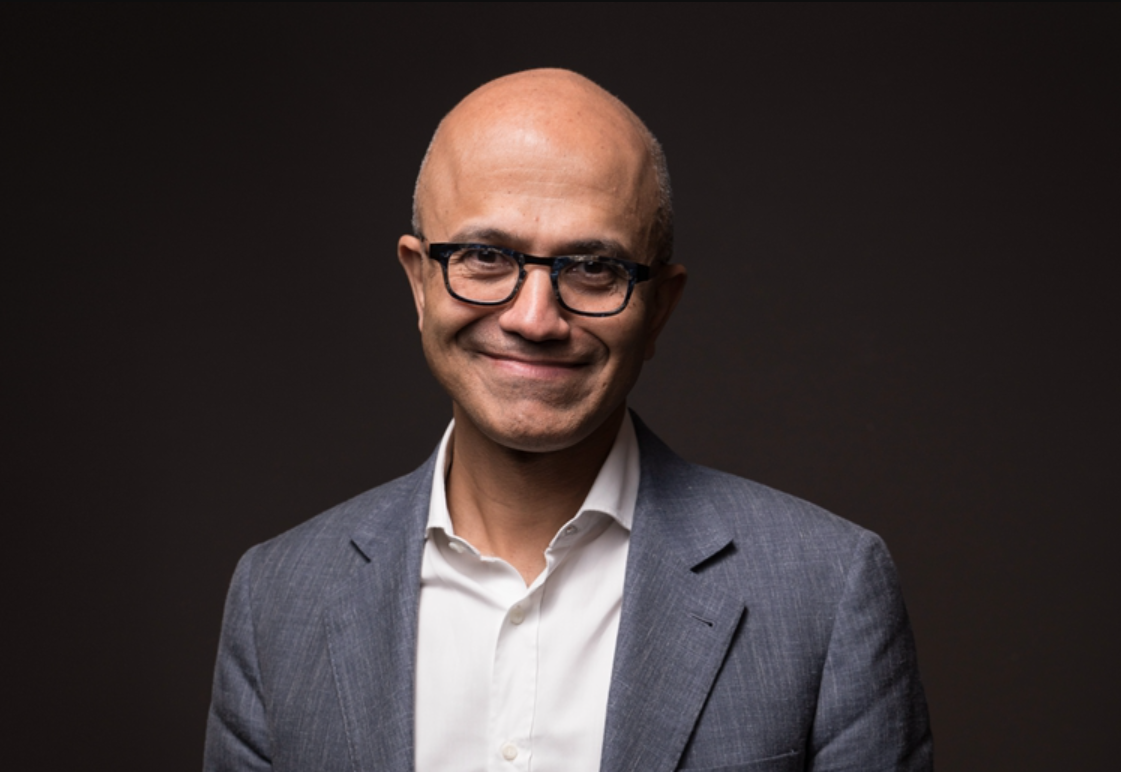
Satya Nadella stands as one of the most influential leaders in modern technology, not because of loud declarations or dramatic gestures, but through a leadership style rooted in empathy, clarity, and long-term vision. As the Chief Executive Officer of Microsoft, he has reshaped not only the company’s strategy but also its culture, guiding the tech giant into a new era defined by collaboration, innovation, and purpose.
Born in Hyderabad, India, Nadella grew up with a deep curiosity for science and engineering. His academic journey took him from India to the United States, where he pursued higher education in computer science and later earned an MBA. This blend of technical expertise and business acumen would become a defining strength in his career. When he joined Microsoft in the early 1990s, the company was already a dominant force, yet Nadella quietly distinguished himself as a thoughtful problem-solver and a leader who valued learning as much as execution.
Before becoming CEO in 2014, Nadella held several key roles within Microsoft, most notably leading the company’s cloud and enterprise division. Under his leadership, Microsoft’s cloud platform grew rapidly, signaling a shift in how the company approached scalability, services, and customer needs. His appointment as CEO marked a turning point, arriving at a time when Microsoft faced intense competition and questions about its relevance in a fast-changing digital landscape.
One of Nadella’s first and most impactful moves was cultural rather than technical. He emphasized a “growth mindset,” encouraging employees to learn from failure, stay curious, and work across teams. This philosophy helped dismantle internal silos and fostered a more open, collaborative environment. By prioritizing empathy and inclusion, Nadella reshaped how leadership was practiced within the organization, setting a tone that resonated far beyond Microsoft’s headquarters.
Strategically, Nadella guided Microsoft toward cloud computing, artificial intelligence, and enterprise services, positioning the company as a leader in technologies shaping the future of work and communication. He also championed partnerships, embracing collaboration even with former competitors, a move that signaled confidence rather than rivalry. This openness expanded Microsoft’s reach and relevance in a connected global ecosystem.
Beyond business performance, Nadella has been a strong advocate for responsible technology. He has spoken extensively about the ethical use of artificial intelligence, accessibility, and the social responsibility of tech companies. His personal experiences, including raising a child with disabilities, have influenced his commitment to inclusive design and technology that empowers people of all abilities.
Under his leadership, Microsoft has not only regained momentum but has also redefined what success looks like in the tech industry. Financial growth has been paired with a renewed sense of purpose, proving that empathy and performance are not opposing forces but complementary ones.
Satya Nadella’s story is ultimately about transformation—of a company, a culture, and a leadership model. By leading with humility, curiosity, and conviction, he has demonstrated that the most enduring influence comes from those who listen deeply, think long-term, and build with humanity at the core.


Leave a Reply